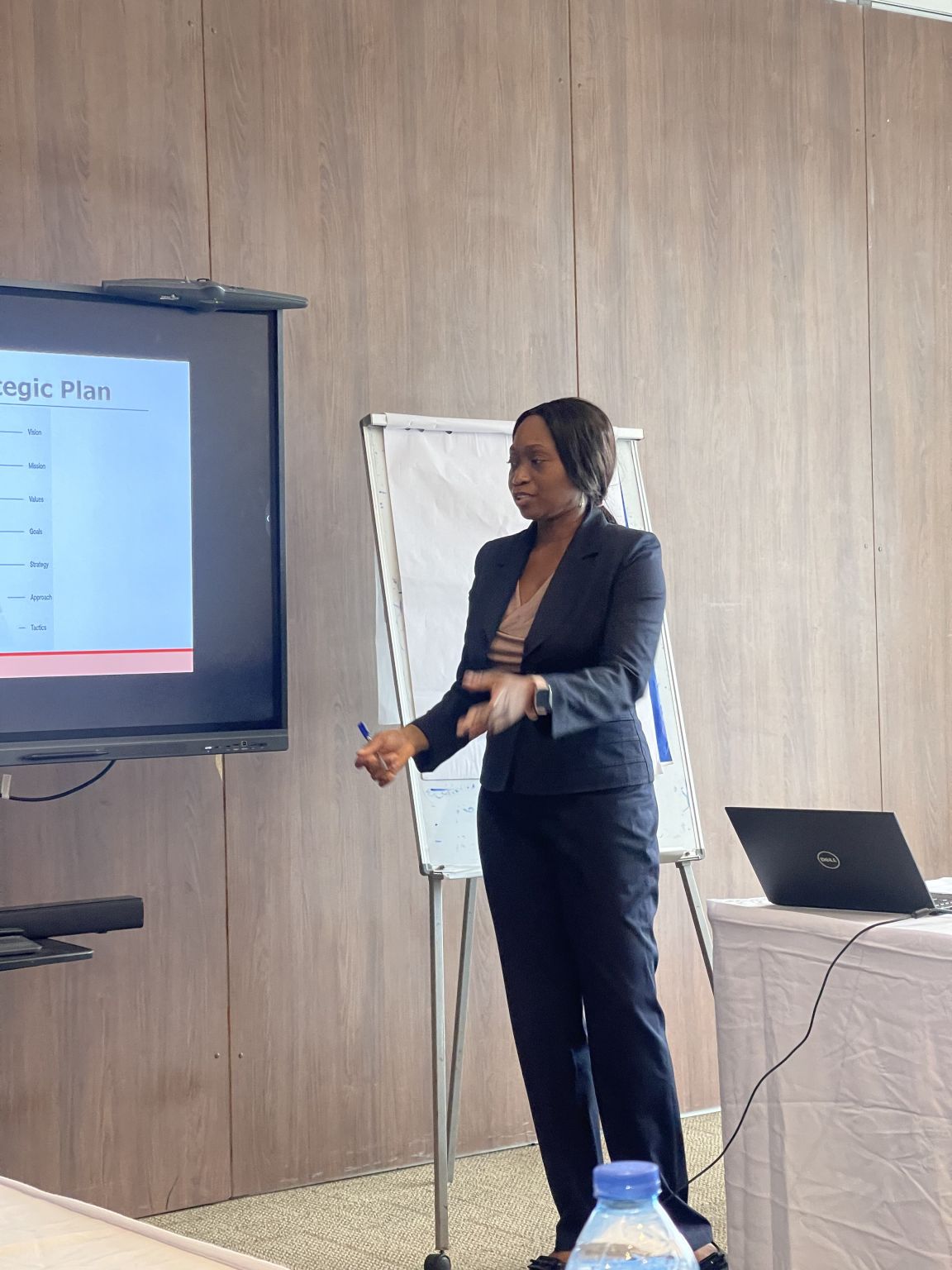
Introduction: Why Communication Matters
Effective communication is the foundation of every successful organization. Yet studies show that the high cost of poor communication continues to drain businesses of time, money, and talent. Across industries, workplace communication failures remain a top driver of lost productivity, disengagement, and employee turnover. This article explores the cost of miscommunication in business, supported by research, statistics, and a real-world case study: the NASA Columbia shuttle disaster.
The High Cost of Poor Communication in the Workplace
According to Salesforce’s State of the Connected Customer report, 86% of employees and executives cite ineffective communication as the top reason for workplace failures.
When workplace communication failures occur, organizations pay the price. Research by Grammarly and Harris Poll (2023) found that miscommunication can reduce productivity by up to 25%, creating a measurable productivity loss due to poor communication.
The Project Management Institute further confirms that the cost of miscommunication in business is staggering: poor communication is a primary cause of project failure in one-third of cases (Pulse of the Profession, 2013).
Miscommunication’s Hidden Costs: Productivity and Profitability
The high cost of poor communication in organizations goes beyond missed deadlines or duplication of work. It erodes trust, creates frustration, and slows decision-making.
- 25% productivity loss due to poor communication (Grammarly/Harris Poll, 2023).
- Billions lost annually as reported by SHRM due to communication failures in the workplace.
- Employee turnover risk when staff feel excluded or uninformed.
Organizations that underestimate the financial impact of miscommunication in business risk losing both profitability and competitiveness.
The Employee Experience: Communication and Engagement
Communication failures also affect employee engagement and communication effectiveness. Gallup’s State of the Global Workplace (2022) reveals that 74% of employees feel they are missing out on important workplace information, leading to disengagement, frustration, and workplace anxiety.
Low engagement alone costs the global economy $8.8 trillion annually in lost productivity, showing that the cost of poor communication in the workplace is cultural as well as operational.
Case Study: NASA Columbia and the Cost of Silence
Perhaps no case illustrates the devastating consequences of communication failure more vividly than the NASA Space Shuttle Columbia disaster in 2003. During the mission, a piece of foam insulation broke off during launch and struck the shuttle’s left wing. Engineers had concerns about the damage, but due to NASA’s deeply hierarchical culture, junior staff members did not feel empowered to speak up forcefully.
This communication breakdown meant that crucial warnings were not acted upon, and on February 1, 2003, the shuttle disintegrated upon re-entry, killing all seven astronauts aboard. Investigators later concluded that organizational culture—including fear of challenging authority and a lack of psychological safety—played a significant role in the tragedy (Columbia Accident Investigation Board, CAIB Report, 2003).
This case highlights that the high cost of poor communication extends beyond financial losses—it can cost lives.
Psychological Safety: A Path Forward
The Columbia disaster has since become a cornerstone example in discussions of psychological safety at work, a term popularized by Harvard Business School professor Amy Edmondson. Psychological safety refers to an environment where individuals feel safe to speak up, ask questions, and challenge assumptions without fear of ridicule or retaliation (Edmondson, The Fearless Organization, 2019).
By investing in psychological safety in the workplace, leaders reduce the cost of miscommunication in business and create environments where innovation and collaboration thrive.
Building a Culture of Clear Communication
To reduce the high cost of poor communication, leaders and organizations must take deliberate action:
- Establish Clear Channels and Expectations
Define communication pathways, standardize reporting mechanisms, and ensure employees know where to find key information. - Invest in Training
Communication skills are not innate; they must be cultivated. Providing employees and leaders with training in active listening, feedback delivery, and presentation skills can strengthen overall organizational performance. - Encourage Feedback Loops
Regularly seek feedback from employees on communication practices and be willing to make adjustments. Transparency and responsiveness build trust. - Model Psychological Safety
Leaders set the tone. By inviting dissenting opinions, acknowledging mistakes, and rewarding honesty, leaders create a safe space for dialogue. - Leverage Technology Strategically
With distributed workforces, organizations should invest in collaboration tools that support clarity and visibility without creating information overload.
Conclusion
The evidence is overwhelming: the high cost of poor communication is seen in lost productivity, employee disengagement, and even safety failures. Whether through billions in global business losses or tragedies like the NASA Columbia disaster case study, the cost is too high to ignore.
Organizations that prioritize reducing the cost of miscommunication in business—by training leaders, improving communication systems, and fostering psychological safety—strengthen both culture and performance.
Communication is not just about exchanging information; it is about building resilient organizations where every voice matters.
References
- Salesforce. (2019). State of the Connected Customer.
- Project Management Institute. (2013). Pulse of the Profession: The High Cost of Low Performance.
- Grammarly & Harris Poll. (2023). The State of Business Communication
- Society for Human Resource Management (SHRM). (2021). State of the Workplace Study.
- Gallup. (2022). State of the Global Workplace: 2022 Report.
- Columbia Accident Investigation Board (CAIB). (2003). Columbia Accident Investigation Report, Vol. 1.
- Edmondson, A. (2019). The Fearless Organization: Creating Psychological Safety in the Workplace for Learning, Innovation, and Growth.